

Boost Your Rankings with an Organic SEO Consultant
Organic SEO consultant – it’s a term you might have heard if you’re struggling to get your website ranking higher on search engines. But what is an organic SEO consultant, and why do you need one?
- An organic SEO consultant improves your website’s visibility in search engine results without using paid ads.
- They focus on optimizing your website’s content and structure to attract more organic traffic, which is traffic that comes from unpaid sources.
Why Hire an Organic SEO Consultant?
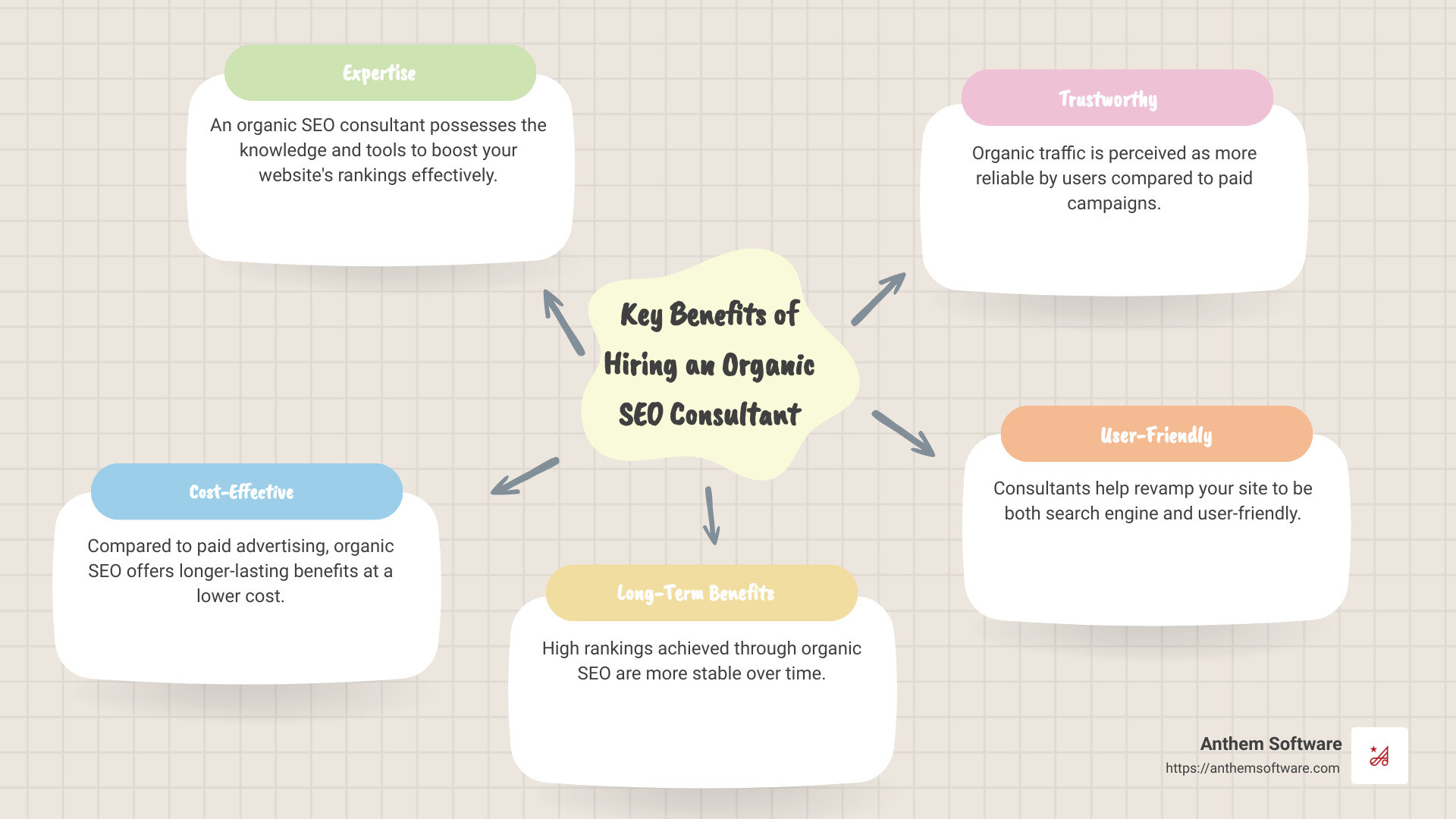
- Expertise: They have the knowledge and tools to get your site up in the rankings.
- Cost-Effective: Organic SEO is cheaper in the long run compared to paid advertising.
- Long-Term Benefits: High rankings through organic SEO remain more stable over time compared to paid campaigns.
Organic SEO is a crucial component of digital marketing. While paid advertising can provide quick results, organic traffic is perceived as more trustworthy and sustainable. Working with an organic SEO consultant revamps your site, making it both search engine-friendly and user-friendly.
My name is Joe Amaral, and with over a decade of experience in SEO, I’ve helped numerous businesses increase their organic traffic and revenue. My journey in digital marketing has equipped me with the skills to deliver top-notch SEO strategies custom for your needs.
Ready to dive into the details? Let’s get started on understanding the role and benefits of an organic SEO consultant.
Relevant articles related to organic seo consultant:
– search engine consulting
– search engine marketing consultant
– internet marketing consultants services seo
What Is an Organic SEO Consultant?
An organic SEO consultant is a specialist who focuses on improving a website’s visibility in search engine results through unpaid, or “organic,” methods. Unlike paid advertising, which requires ongoing investment, organic SEO aims to create long-lasting improvements by optimizing various aspects of your website.
Role of an Organic SEO Consultant
The primary role of an organic SEO consultant is to develop and implement a strategy that increases your website’s organic traffic. This involves several key tasks:
- SEO Audit: A thorough review of your website to identify strengths, weaknesses, and opportunities for improvement.
- Keyword Research: Identifying the terms and phrases potential customers are using to find services or products like yours.
- Content Optimization: Ensuring your content is relevant, high-quality, and optimized for the identified keywords.
- Technical SEO: Improving the technical aspects of your site, such as page speed, mobile-friendliness, and crawlability.
- Link Building: Acquiring high-quality backlinks from reputable websites to boost your site’s authority.
Importance of Organic Traffic
Organic traffic is the visitors who come to your site through unpaid search results. This type of traffic is incredibly valuable for several reasons:
- Cost-Effective: Unlike paid ads, organic traffic doesn’t require continuous expenditure.
- Trustworthiness: Users tend to trust organic results more than paid ads, as they are perceived to be more genuine and relevant.
- Sustainability: Once you achieve high rankings, maintaining them requires less effort compared to ongoing paid campaigns.
Crafting an Effective SEO Strategy
An effective SEO strategy is multi-faceted and custom to your business needs. Here’s a simplified breakdown:
SEO Audit: Begin by understanding the current state of your website. Identify what’s working and what’s not.
Keyword Research: Use tools to find out what your potential customers are searching for. Focus on keywords with high relevance and reasonable competition.
On-Page Optimization: Optimize your content, meta tags, URLs, and internal links to make your site more search-friendly.
Off-Page Optimization: Build a network of high-quality backlinks to increase your site’s authority.
Technical SEO: Improve site speed, ensure mobile compatibility, and fix any crawl errors to make your site more accessible to search engines.
Content Marketing: Regularly publish high-quality, relevant content to attract and engage your audience.
Case Study: Incapsula’s Success with SEO
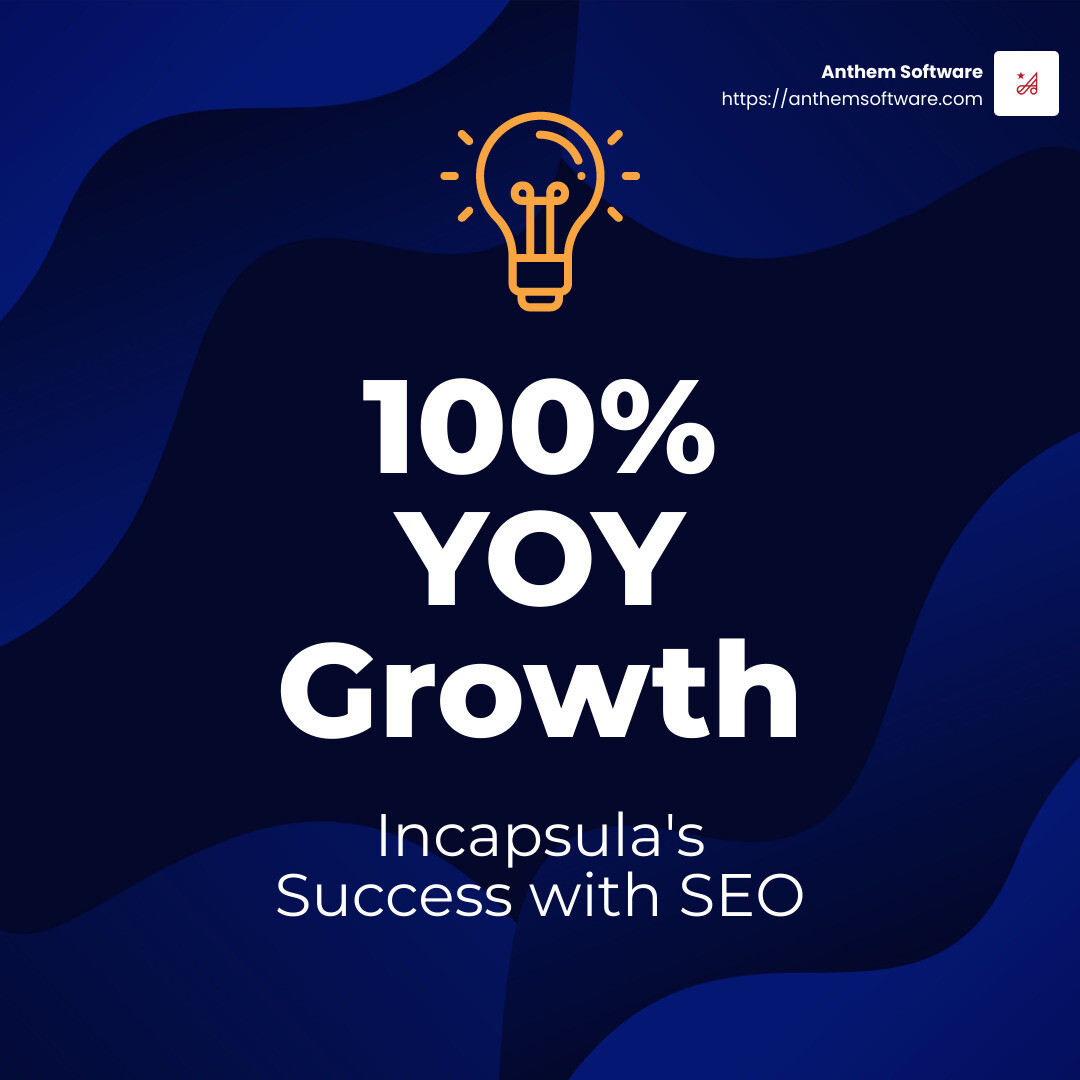
A great example of the power of organic SEO is Incapsula. By focusing on content marketing and SEO, they achieved:
- 100% Year-over-Year Growth: Their primary customer acquisition channel was content marketing and SEO.
- Market Capitalization: Reached $1.5 billion, protecting over 5 million websites.
Their strategy included on-site SEO, a robust content plan, off-site SEO, and detailed analytics to track progress and refine their approach.
Why You Need an Organic SEO Consultant
Hiring an organic SEO consultant frees you from the complexities of SEO, allowing you to focus on your business. They bring a wealth of experience, the right tools, and a proven methodology to drive organic traffic and achieve long-term growth.
Ready to see how an organic SEO consultant can transform your business? Let’s dive deeper into the advantages of hiring one in the next section.
Why Hire an Organic SEO Consultant?
Hiring an organic SEO consultant offers numerous benefits that can significantly impact your business. Let’s explore these advantages in detail.
Expertise and Experience
SEO is complex and constantly evolving. An organic SEO consultant brings years of experience and up-to-date knowledge to the table. They understand search engine algorithms and can quickly adapt to changes.
For instance, SEO consultants use tools like Google Keyword Planner and Ahrefs to find high-potential keywords. This ensures your content reaches the right audience.
Cost-Effectiveness
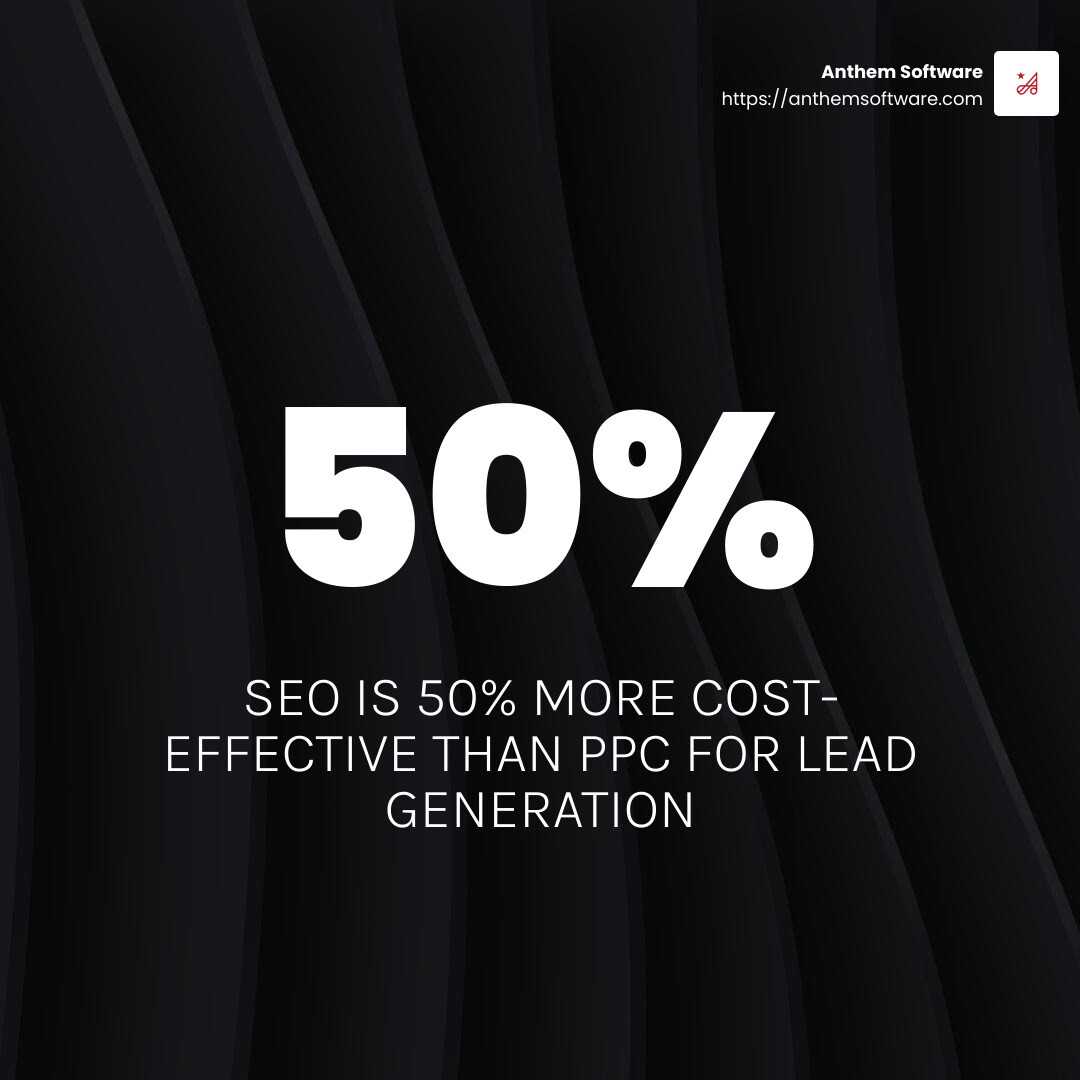
Compared to paid ads, SEO is a long-term investment that keeps giving. Once your site ranks high, you attract organic traffic without ongoing costs.
Long-Term Results
Organic SEO is not a quick fix but a long-term strategy. Once you start ranking for your target keywords, your website will continue to attract traffic and leads for months or even years, all with minimal additional expense. This makes organic SEO a smart, affordable driver of lead generation for your business.
Take the example of Incapsula, which achieved:
- 100% Year-over-Year Growth: Their primary customer acquisition channel was content marketing and SEO.
- Market Capitalization: Reached $1.5 billion, protecting over 5 million websites.
Their strategy included on-site SEO, a robust content plan, off-site SEO, and detailed analytics to track progress and refine their approach.
Competitive Edge
An SEO consultant helps you stay ahead of the competition. They analyze what your competitors are doing right and identify gaps and opportunities.
For example, quality backlinks improve your site’s authority. SEO consultants develop strategies to earn valuable backlinks, giving you a competitive edge.
Measurable Results
SEO consultants use tools to track metrics like organic traffic, bounce rates, and conversion rates. Regular reports help you see the impact of their work.
KPIs: Setting key performance indicators (KPIs) helps measure success. This could include rankings, traffic, or revenue.
Focus on Core Business
When a consultant handles your SEO strategy, keyword research, and content marketing, you’re free to focus on what you do best. Whether it’s overall business strategy, relationships with vendors, or even taking more time for yourself, you can leave the SEO complexities to the experts.
Ready to see how an organic SEO consultant can transform your business? Let’s dive deeper into the key services offered by these experts in the next section.
Key Services Offered by Organic SEO Consultants
Working with an organic SEO consultant can transform your online presence. Here are the key services they offer:
On-Page Optimization
On-page optimization focuses on improving individual web pages to rank higher in search engines. This includes:
- Meta Tags and Descriptions: Crafting compelling meta titles and descriptions that include relevant keywords.
- Content Optimization: Ensuring your content is valuable and includes targeted keywords naturally.
- URL Structure: Using clean URLs that are easy for both users and search engines to understand.
- Internal Linking: Linking to other relevant pages on your site to improve navigation and SEO.
Off-Page Optimization
Off-page optimization involves activities outside your website to boost its authority. Key services include:
- Link Building: Acquiring high-quality backlinks from other websites. This can involve guest posting, outreach, and creating shareable content.
- Link-Balancing: Ensuring a balance between the number, quality, and relevance of backlinks. This helps in maintaining a natural link profile.
- Social Media Signals: Leveraging likes, shares, and other social signals to improve your website’s credibility.
Keyword Research
Keyword research is the backbone of any SEO strategy. Consultants use tools like Google Keyword Planner and Ahrefs to find high-potential keywords. This involves:
- Identifying Search Volume: Finding out how many people are searching for specific terms.
- Assessing Competition: Evaluating how difficult it is to rank for those keywords.
- Long-Tail Keywords: Focusing on longer, more specific phrases that are easier to rank for.
Content Marketing
Content marketing is crucial for attracting and retaining a clearly defined audience. Services include:
- Content Creation: Developing high-quality, relevant content that answers users’ queries.
- Content Strategy: Planning and executing a content calendar to ensure regular updates.
- Competitor Analysis: Finding opportunities for new target keywords and improvements in content.
Technical SEO
Technical SEO focuses on optimizing the backend of your website. This includes:
- Site Structure: Ensuring your site is easy to steer.
- Page Speed: Improving load times for a better user experience.
- Mobile Optimization: Making sure your site works well on mobile devices.
- SEO Audits: Comprehensive reviews of your website to identify issues and opportunities for improvement.
Backlink Building
Backlink building is essential for improving your site’s authority. Consultants develop strategies to earn valuable backlinks. This can include:
- Guest Posting: Writing articles for other reputable websites.
- Outreach: Contacting website owners to request links.
- Content Marketing: Creating shareable content that naturally attracts backlinks.
By focusing on these key areas, an organic SEO consultant can help your business achieve higher rankings, increased traffic, and better conversion rates. Ready to dive into the importance of organic SEO? Let’s explore why organic SEO is crucial today.
The Importance of Organic SEO Today
Organic SEO is more crucial than ever. Let’s explore why it matters for your business.
Trustworthiness and Authenticity
High rankings in organic search results signal trust. Users see these results as more credible because they aren’t paid for. According to a BrightLocal case study, more than a quarter of people choose the first organic result over paid adverts. This trust translates to better engagement and higher conversion rates.
User Perception
Users are savvy. They know when they’re being advertised to. Paid listings are marked as ads, making them less appealing. In contrast, organic results are viewed as more genuine. This perception is essential in building a loyal customer base. A Forbes article noted that organic clicks accounted for 45.1% of all search result clicks in 2022, showing users’ preference for organic results.
Relevance
Organic SEO ensures your content is relevant to users’ searches. By focusing on search intent, you provide exactly what users are looking for. This relevance keeps users on your site longer and reduces bounce rates. For example, Incapsula’s success story shows how SEO and content marketing can be the top customer acquisition channels, leading to 100% year-over-year growth (Anthem Software).
Long-Term Impact
The impact of organic SEO is long-lasting. Unlike paid ads, which disappear once the budget is gone, organic SEO builds a strong foundation for sustained visibility. Organic search results continue to bring traffic long after the initial optimization efforts. This makes SEO a cost-effective strategy with enduring benefits.
By focusing on trustworthiness, authenticity, user perception, and relevance, organic SEO can lift your business to new heights. Ready to see how it can transform your online presence?
Next, we’ll compare Free (Organic) vs. Paid Google Listings and explore their key differences.
Free (Organic) vs. Paid Google Listings
Differences
Organic Listings
Organic listings are the unpaid results that appear on search engine results pages (SERPs). They are ranked based on relevance, quality, and user experience. Organic listings are seen as more trustworthy because they are earned, not bought.
Paid Listings
Paid listings, also known as Pay-Per-Click (PPC) ads, are the results marked as advertisements. These appear at the top or bottom of SERPs and are clearly labeled as ads. They are ranked based on the amount advertisers are willing to pay for each click, combined with the quality and relevance of the ad.
User Behavior
Trust and Credibility
Users tend to trust organic listings more. According to a BrightLocal case study, over a quarter of users choose the first organic result over paid ads. This trust is crucial for long-term customer relationships.
Skepticism Toward Ads
Savvy users recognize paid listings as advertisements. This recognition can lead to skepticism. Many users skip ads and go straight to organic results, believing these to be more genuine and relevant.
Cost Implications
Organic Listings
The primary cost of organic SEO is time and effort. Implementing an effective SEO strategy involves keyword research, content creation, and link building. While this requires resources, the traffic generated from organic listings is free.
Paid Listings
Paid listings involve a continuous financial investment. You pay each time someone clicks on your ad. This can quickly add up, especially if your ads are not well-targeted. There’s also the risk of burning through your budget without seeing a return, as highlighted by many frustrated business owners.
Long-Term Impact
Organic Listings
Organic SEO is a long-term strategy. Once you achieve high rankings, you can maintain them with ongoing optimization. The benefits of organic SEO accumulate over time, providing sustained traffic and visibility. For example, Incapsula’s year-over-year growth of 100% is attributed to their focus on SEO and content marketing.
Paid Listings
The impact of paid listings is immediate but short-lived. Once your budget is exhausted, your ads disappear, and so does the traffic. This makes PPC a useful tool for short-term goals but less effective for long-term growth.
In summary, while paid listings can provide quick visibility, organic listings offer a more sustainable, cost-effective, and trusted approach to search engine rankings. Next, we’ll dive into The Organic SEO Process to understand how these strategies are implemented.
The Organic SEO Process
Understanding the organic SEO process is key to boosting your website’s rankings. Let’s break down the main steps involved:
SEO Audit
An SEO audit is the first step. It involves a comprehensive review of your website to identify issues that might be hindering your search engine performance. This includes analyzing on-page elements like title tags, meta descriptions, and content quality. Tools like Google Search Console and Semrush are often used for this purpose.
The audit will also look at off-page factors such as backlinks and social signals. The goal is to get a clear picture of your website’s strengths and weaknesses.
On-Page SEO
On-page SEO focuses on optimizing elements within your website. Here are some key components:
- Content Improvement: Make sure your content is high-quality, relevant, and optimized for the right keywords. Competitor analysis can help identify new keyword opportunities.
- URL Structure: Keep URLs simple and descriptive. This makes it easier for both users and search engines to understand your content.
- Internal Linking: Use natural internal links to guide users through your site and signal to search engines the importance of your pages.
Off-Page SEO
Off-page SEO involves actions taken outside your website to improve your rankings. The main focus here is on link building:
- Backlinks: Getting high-quality backlinks from reputable sites can significantly improve your domain authority. This shows search engines that your site is trusted by others.
- Link-Balancing: It’s not just about the number of backlinks but also their quality and relevance. A balanced approach ensures sustainable growth.
Conversion Optimization
Conversion optimization is about making sure your website not only attracts visitors but also converts them into customers. This involves:
- User Experience (UX): Ensuring your website is easy to steer and loads quickly. Tools like Google PageSpeed Insights can help identify areas for improvement.
- Relevant Content: Visitors should find solutions to their problems immediately. This reduces bounce rates and increases conversions.
Search Intent
Understanding search intent is crucial for effective keyword research. It’s not just about high search volume; it’s about matching your content to what users are looking for. An organic SEO consultant will focus on identifying keywords that align with user intent, ensuring your content meets their needs and drives conversions.
By following these steps, you can create a robust SEO strategy that improves your search engine rankings and drives sustainable growth. Now, let’s explore some specific on-page optimization techniques you can implement to further improve your website’s performance.
On-Page Optimization Techniques
On-page optimization is crucial for improving your website’s search engine ranking. Here are some key techniques that an organic SEO consultant would focus on:
Content Improvement
High-quality content is the backbone of any successful SEO strategy. Here’s how to improve it:
- Relevance and Quality: Ensure your content is informative, engaging, and answers the questions your audience is asking. This will keep visitors on your site longer and reduce bounce rates.
- Keyword Optimization: Use relevant keywords naturally within your content. Tools like Ahrefs and SEMrush can help identify the best keywords to target.
- Competitor Analysis: Look at what your competitors are doing. Identify gaps in their content and fill them with your own high-quality articles.
URL Structure
A clean and descriptive URL structure is important for both users and search engines. Follow these tips:
- Keep It Simple: Use short, descriptive URLs that include your primary keyword. Avoid using numbers or special characters.
- Readability: Make sure your URLs are easy to read. For example, use hyphens to separate words (e.g.,
example.com/organic-seo-tips).
Internal Linking
Internal linking helps guide users through your site and signals to search engines the importance of your pages. Here’s how to do it effectively:
- Natural Links: Insert links naturally within your content. Avoid overstuffing your pages with links.
- Anchor Text: Use relevant keywords as anchor text for your internal links. This helps search engines understand the context of the linked page.
- Hierarchy: Create a clear hierarchy with your links. Important pages should be easily accessible from your homepage and other high-traffic pages.
Conversion Optimization
Conversion optimization ensures that visitors to your site take the desired actions, such as making a purchase or signing up for a newsletter. Focus on the following:
- User Experience (UX): A well-designed, easy-to-steer site keeps users engaged. Tools like Google PageSpeed Insights can help improve site performance.
- Relevant Content: Make sure visitors find solutions to their problems right away. Use clear calls-to-action (CTAs) and guide users through your site.
Keyword Research
Effective keyword research is essential for targeting the right audience. Here’s how to do it:
- Search Intent: Understand what users are looking for and match your keywords to their intent. This ensures you attract visitors who are more likely to convert.
- Tools and Techniques: Use tools like Google’s Keyword Planner and SE Ranking to find relevant keywords.
- Long-Tail Keywords: Focus on long-tail keywords that are specific and less competitive. These often have higher conversion rates.
By implementing these on-page optimization techniques, you can significantly improve your website’s search engine ranking and user experience. Next, we’ll dive into off-page optimization techniques that can further boost your site’s authority and visibility.
Off-Page Optimization Techniques
Off-page optimization is all about building your website’s authority and reputation. Here are key techniques an organic SEO consultant would focus on:
Link Building
Link building is essential for demonstrating to search engines that your content is valuable and recognized by others in your niche. Here’s how to do it effectively:
- Guest Blog Posts: Write articles for reputable websites in your industry. This not only gets you valuable backlinks but also exposes your content to a broader audience.
- Link Insertions: Reach out to website owners to insert links to your content in existing articles. Make sure the content is relevant to ensure the link feels natural.
- Quality Over Quantity: Focus on getting backlinks from high-authority sites. According to Forbes, top-ranked search results typically have 3.8 times more backlinks than lower-ranked results.
Link-Balancing
The quality, relevance, and velocity of your backlinks are just as important as the number of backlinks. Here’s how to balance them:
- Diverse Sources: Get links from a variety of sources, including blogs, news sites, and industry forums. This shows search engines that your site is widely recognized.
- Relevance: Ensure the sites linking to you are relevant to your niche. Irrelevant links can harm your rankings.
- Natural Growth: Build links at a natural pace. Sudden spikes can look suspicious and may lead to penalties.
Social Media Signals
Social media signals like likes, shares, and comments can indirectly boost your SEO efforts. Here’s why they matter:
- Increased Visibility: Social media can drive traffic to your site, which can improve your search engine rankings.
- Citations: When social profiles include your business name, address, and phone number, they act as citations, which are important types of links.
- Engagement: High engagement on social media can signal to search engines that your content is valuable and relevant.
Backlink Quality
Not all backlinks are created equal. High-quality backlinks can significantly boost your site’s authority. Here’s how to ensure your backlinks are top-notch:
- Authority Sites: Aim for backlinks from high-authority sites with strong domain authority (DA). According to Forbes, backlinks from sites with high DA can have a significant impact on your rankings.
- Content Relevance: Ensure the content linking to you is relevant. For example, if you run a tech blog, a backlink from a tech news site will be more valuable than one from a cooking blog.
- Long-Form Content: Long-form content tends to attract more backlinks. Data shows that longer articles (3,000+ words) receive 77% more links than shorter ones.
By focusing on these off-page optimization techniques, you can build a strong, authoritative presence that search engines will recognize. Next, we’ll explore how to choose the right organic SEO consultant to help you achieve these goals.
How to Choose the Right Organic SEO Consultant
Selecting the right organic SEO consultant can make or break your website’s success. Here’s how to make an informed choice:
Experience
Experience is crucial. An organic SEO consultant with a proven track record knows what works and what doesn’t. Look for consultants who have been in the industry for several years and have adapted to changes in search engine algorithms.
Example: A consultant who successfully steerd the Penguin and Panda updates, as noted in the research, is likely to be adept at handling future changes.
Case Studies
Case studies provide concrete evidence of a consultant’s ability to deliver results. They showcase the strategies used and the outcomes achieved.
Tip: Ask for case studies relevant to your industry. For instance, if you’re in e-commerce, a case study like Incapsula’s, which achieved a market capitalization of $1.5 billion through SEO and content marketing, can be particularly insightful.
Client Success Rate
A high client success rate indicates reliability and effectiveness. Look for consultants who have consistently helped their clients achieve higher rankings, increased traffic, and improved conversions.
Statistic: According to Forbes, top-performing SEO consultants often have a success rate of turning around 70-80% of their clients’ SEO performance.
Industry Knowledge
Understanding the nuances of your industry is essential. An organic SEO consultant who knows your market can tailor strategies to meet specific needs and challenges.
Quote: “The agency should understand your audience’s pain points and how your products or services can address those,” as highlighted in the research.
Transparent Reporting
Transparency in reporting builds trust. Ensure the consultant provides regular, detailed reports on metrics like keyword rankings, traffic, and conversions.
Fact: Your SEO provider should offer detailed progress reports every month, as recommended by Forbes.
Ethical Practices
Make sure the consultant adheres to white hat SEO practices. Avoid those who use black hat tactics, as these can lead to penalties from search engines.
Warning: Black hat tactics like keyword stuffing and buying backlinks are banned by Google and can result in severe penalties.
By focusing on these key areas, you can choose an organic SEO consultant who will help your website achieve its full potential. Next, we’ll address some frequently asked questions about organic SEO consultants.
Frequently Asked Questions about Organic SEO Consultants
What are organic SEO services?
Organic SEO services are strategies designed to improve your website’s visibility in search engine results pages (SERPs) without using paid ads. These services include:
- On-Page Optimization: Adjusting elements like title tags, meta descriptions, and content to make your site more search engine-friendly.
- Off-Page Optimization: Building high-quality backlinks from other reputable sites to improve your domain authority.
- Keyword Research: Identifying the best keywords to target for your audience and industry.
- Content Marketing: Creating valuable content that attracts and engages your audience while improving your search rankings.
- Technical SEO: Ensuring your site is technically sound, with fast loading times, mobile compatibility, and proper indexing.
How long does it take to see results from organic SEO?
The time it takes to see results from organic SEO varies based on several factors, such as your website’s current state, the competitiveness of your industry, and the effectiveness of the strategies implemented. Generally, you can expect:
- Initial Improvements: Within 2-3 months, you might see minor improvements in rankings and traffic.
- Significant Results: Substantial improvements usually take 6-12 months.
- Long-Term Success: SEO is a continuous process. Ongoing efforts are needed to maintain and improve rankings over time.
Fact: According to Anthem Software, it typically takes 60 to 90 days to see initial results and 120 days or longer for significant outcomes.
What is the difference between an SEO consultant and a digital marketing agency?
An SEO Consultant is an individual expert who focuses solely on improving your website’s search engine performance. They provide custom strategies and work closely with your team to optimize your site.
A Digital Marketing Agency offers a broader range of services, including SEO, social media marketing, pay-per-click (PPC) advertising, and more. Agencies have teams of specialists and can handle large-scale projects, making them suitable for long-term engagements.
Example: An SEO consultant might focus on optimizing your website’s content and structure, while a digital marketing agency could also manage your social media campaigns and PPC ads.
Choosing between the two depends on your specific needs. If you require specialized SEO advice, a consultant might be the best choice. For a comprehensive digital marketing strategy, an agency could be more suitable.
By understanding these key differences, you can decide which option aligns best with your business goals.
Conclusion
At Anthem Software, we understand the critical role that search engine optimization (SEO) plays in your digital success. Our team of experts is dedicated to providing top-notch SEO services to help businesses like yours thrive in today’s competitive online landscape.
Digital Marketing Expertise
With years of experience and a global clientele, we’ve honed our skills in various aspects of digital marketing. From SEO and PPC to web design and B2B email marketing, our comprehensive suite of services ensures that every facet of your online presence is optimized for success. Our expertise allows us to craft custom strategies that resonate with your target audience and drive growth.
B2B Email Marketing
Winning at B2B email marketing requires more than just sending out a large volume of emails. It’s about crafting a strategic, personalized approach that speaks directly to your audience’s needs. At Anthem Software, we use data insights and powerful segmentation capabilities to enable personalized messaging for our clients. Our email marketing solutions are versatile and adaptable to different markets and customer bases, helping businesses around the world improve their email marketing efforts.
Global Clients
Our global reach demonstrates the effectiveness of our approach. Companies like Pompeii3 and Swimspot have seen their revenues soar thanks to our custom SEO strategies. We take pride in our ability to deliver exceptional results, and our case studies are a testament to our success.
If you’re ready to take your business to the next level, contact us today. Our team is eager to help you achieve your digital marketing goals and drive your business forward.
By integrating effective SEO and digital marketing strategies with robust tools like those offered by Anthem Software, your business can thrive in today’s competitive digital landscape. The goal is not just to communicate but to connect, engage, and build lasting relationships with your audience. With the right tools and strategies, your business can achieve sustained growth and success.