

The Transformative Power of Digital Marketing in B2B
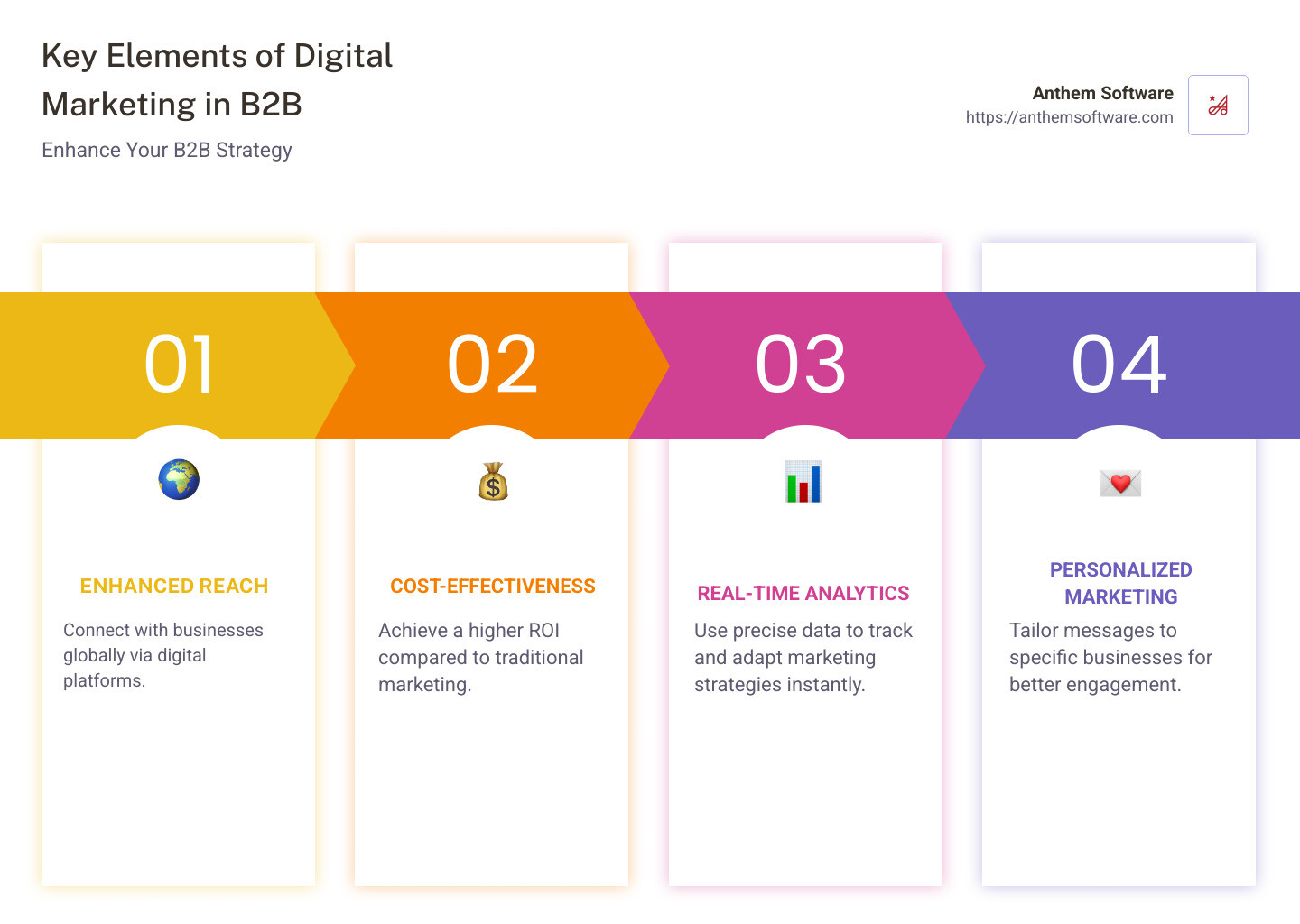
Digital marketing business to business is revolutionizing the way companies interact and conduct transactions. As technology advances, businesses find new ways to connect and grow. Here’s what you need to know about digital marketing business to business:
- Improved Reach: Digital platforms allow businesses to connect with other companies worldwide.
- Cost-Effectiveness: Online marketing strategies often offer a higher ROI compared to traditional methods.
- Real-Time Analytics: Track and adapt strategies instantly with precise data.
- Personalized Marketing: Tailor messages for specific businesses, improving engagement.
Digital change has transformed the B2B landscape, creating immense opportunities for growth and innovation. Companies can now reach a broader audience, streamline communications, and improve customer engagement through digital tools and platforms.
I’m Joe Amaral. After my journey from a traditional sales background to founding a digital marketing business, I’ve seen how digital marketing business to business lifts growth and connectivity. My passion for leveraging technology to streamline marketing processes guides me in helping businesses thrive in the digital age. Join me as we explore this exciting change in the next section.
Must-know digital marketing business to business terms:
– b2b internet marketing agency
– b2b internet marketing strategies
Understanding B2B Digital Marketing
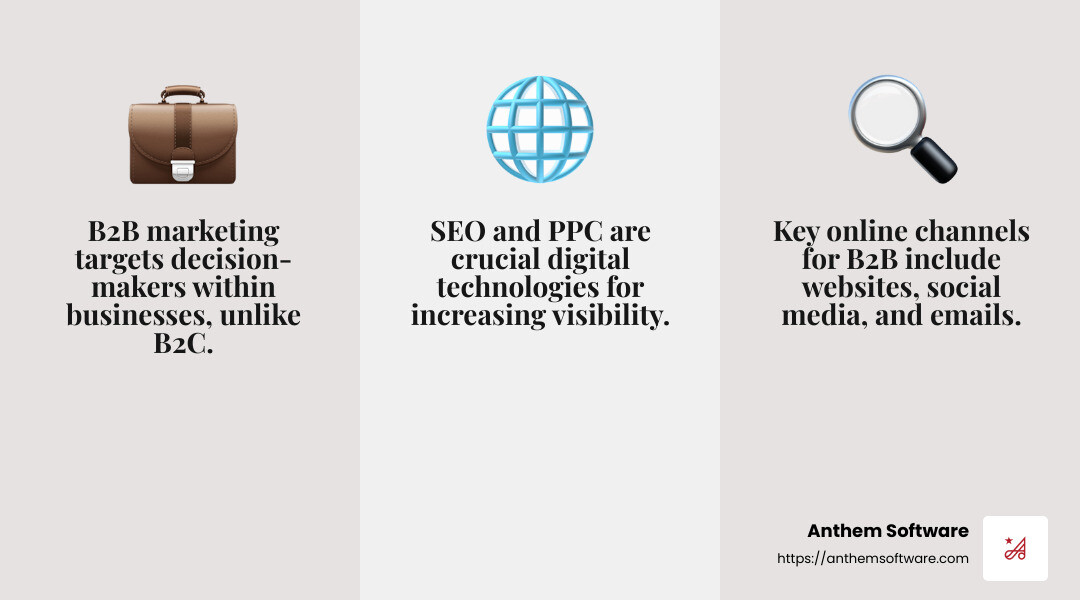
Business-to-business (B2B) digital marketing is all about using online platforms to connect with other companies. Unlike B2C (Business-to-Consumer) marketing, where the focus is on individual consumers, B2B marketing targets decision-makers within businesses. This means the strategies and channels used are custom to meet the needs of a business audience.
Online Channels
B2B marketing relies heavily on online channels. These include:
Websites: A company’s website is its digital storefront. It should be informative and easy to steer, providing potential clients with all the information they need. A great example is Mailchimp, which uses its homepage to focus on customer pain points and solutions.
Social Media: Platforms like LinkedIn are crucial for B2B interactions. They allow businesses to share valuable content and engage directly with other companies. Social media is a two-way street, offering the chance to both broadcast messages and receive feedback.
Email Marketing: This remains one of the most effective B2B channels. It allows for personalized communication with potential clients. Crafting custom email campaigns can help nurture leads and build lasting relationships.
Digital Technologies
Digital technologies play a crucial role in B2B marketing. Here are some key technologies:
Search Engine Optimization (SEO): Ensures your business is easily found online. By optimizing your website, you can improve your search rankings and drive more organic traffic. Companies like TravelPerk use topic clusters to improve their SEO strategy, making it easier for businesses to find them when searching for solutions.
Pay-Per-Click (PPC) Advertising: Platforms like Google Ads allow businesses to target specific audiences with precision. This is particularly useful for generating leads and driving traffic to your site. PPC can be a game-changer when you need quick visibility.
Analytics Tools: These tools help track the performance of your marketing efforts. Real-time analytics allow businesses to adapt their strategies based on what’s working and what’s not. This data-driven approach ensures higher efficiency and better results.
The Role of Content
Content is king in B2B digital marketing. Creating valuable, relevant content helps establish your company as a thought leader. Whether it’s through blogs, white papers, or case studies, content marketing is essential for building trust and authority in your industry.
By leveraging these digital marketing business to business strategies, companies can not only reach their target audience more effectively but also build stronger, more meaningful relationships. The digital landscape offers endless opportunities for businesses willing to accept these tools and technologies.
Next, we’ll dive into specific strategies that can boost your B2B marketing efforts, starting with email marketing.
Key B2B Digital Marketing Strategies
In digital marketing business to business, there are several strategies that stand out for their effectiveness. Let’s explore these key strategies: email marketing, social media, SEO, PPC, and content marketing.
Email Marketing
Email marketing is a powerhouse in B2B strategies. It’s not just about sending messages; it’s about nurturing leads and retaining customers. A well-crafted email can inform, engage, and convert. According to research, 59% of users say email marketing influences their purchase decisions. This makes it a crucial tool for building long-term relationships with clients.
Consider segmenting your email list to provide personalized content that resonates with different segments of your audience. Automation tools like Mailchimp can help streamline this process, allowing you to send targeted campaigns with ease.
Social Media Marketing
Social media is not just for selfies and memes; it’s a critical platform for B2B marketing. With 3.4 billion users worldwide, platforms like LinkedIn provide a space for brands to increase brand visibility and engagement. B2B companies can share content, join industry discussions, and even generate leads.
The key is to stay active. Regular posting and engaging with your audience through comments and messages can significantly improve your brand’s presence. Don’t shy away from using social media trends and hashtags to increase your reach.
Search Engine Optimization (SEO)
SEO is the backbone of any digital marketing strategy. It ensures your business is easily found online. By improving your search rankings, you drive more organic traffic to your website. Tactics like keyword research, improving page load speed, and earning backlinks are essential.
SEO is a long-term investment that pays off by increasing visibility and credibility. A well-optimized website not only attracts visitors but also converts them into customers.
Content Marketing
Content is the bridge between your brand and your audience. It establishes your company as a thought leader and provides valuable content that addresses the needs of your target market. Content marketing can include blogs, white papers, videos, and more.
A successful content strategy involves understanding your audience’s pain points and creating content that offers solutions. This not only drives traffic but also builds trust and loyalty.
Pay-Per-Click (PPC) Advertising
PPC advertising offers immediate visibility and is perfect for lead generation. By bidding on specific keywords, you can ensure your ads appear when potential clients search for relevant terms. Platforms like Google Ads offer precise targeting options, allowing you to reach the right audience efficiently.
PPC is highly measurable, providing insights into what’s working and what isn’t. This allows for quick adjustments to maximize your return on investment.
By integrating these strategies into your B2B marketing plan, you can effectively reach and engage your target audience. Each strategy offers unique benefits, and when combined, they create a powerful marketing mix that drives results.
Next, we’ll explore the benefits of B2B digital marketing and how these strategies can lead to measurable results and high ROI.
Benefits of B2B Digital Marketing
Digital marketing business to business offers several compelling benefits that can transform how companies interact with other businesses. Let’s explore the key advantages: measurable results, brand awareness, and high ROI.
Measurable Results
One of the standout benefits of B2B digital marketing is its measurability. Unlike traditional marketing methods, digital marketing provides real-time data and analytics. Tools like Google Analytics and email tracking software allow businesses to track the performance of their campaigns with precision. You can see exactly how many people viewed your content, clicked on your ads, or opened your emails.
This ability to measure results helps businesses make data-driven decisions. For instance, if a particular ad isn’t performing well, you can adjust your strategy on the fly. This adaptability is crucial in the digital world. It’s like having a GPS for your marketing efforts, guiding you toward better outcomes.
Brand Awareness
Building brand awareness is essential for any business, and digital marketing excels in this area. Through content marketing, social media, and SEO, businesses can reach a wider audience and establish themselves as industry leaders.
Consider the example of Mailchimp, which focuses on addressing customer pain points directly on its homepage. By tailoring content to meet the unique challenges of its audience, Mailchimp not only increases brand recognition but also builds trust. This approach showcases the power of digital marketing in creating a recognizable and credible brand presence.
High ROI
Digital marketing offers a high return on investment (ROI), making it an attractive option for B2B companies. For example, businesses can earn $44 for every $1 spent on email marketing campaigns. This impressive ROI is due to the targeted nature of digital marketing, which ensures that resources are spent efficiently.
Moreover, strategies like content marketing are cost-effective and deliver long-term benefits. According to research, content marketing costs 62% less than traditional marketing strategies while generating three times the leads. This makes it a smart choice for businesses looking to maximize their marketing budget.
In summary, B2B digital marketing offers measurable results, improves brand awareness, and delivers a high ROI. By leveraging these benefits, businesses can effectively reach and engage their target audience, driving growth and success.
Next, we’ll explore the top five B2B digital marketing strategies to boost your business and how each can be custom to meet specific goals.
Top 5 B2B Digital Marketing Strategies to Boost Your Business
In digital marketing business to business, leveraging the right strategies can make all the difference. Here are the top five strategies to lift your B2B marketing efforts:
Email Marketing
Lead Nurturing and Customer Retention
Email marketing remains a powerhouse in B2B digital marketing. It’s not just about sending newsletters; it’s about building relationships. Lead nurturing is key. By sending personalized content, you can guide prospects through the buyer’s journey, turning them into loyal customers.
Consider drip campaigns that provide valuable insights and solutions custom to your audience’s needs. This approach not only helps in acquiring new clients but also plays a crucial role in customer retention. By keeping your existing clients engaged with relevant content, you build loyalty and encourage repeat business.
Social Media Marketing
Brand Visibility and Engagement
Social media isn’t just for B2C. Platforms like LinkedIn and Twitter are vital for B2B interactions. They offer a space to improve brand visibility and foster engagement with your audience.
Take IBM’s approach through its Influencer and Employee Advocacy Program. By leveraging the voices of its employees, IBM improves trust and engagement, showcasing how social media can be a powerful tool for B2B marketing. Joining industry conversations, sharing valuable content, and engaging with your audience can significantly boost your brand’s presence.
Search Engine Optimization (SEO)
Organic Traffic and Search Rankings
SEO is the backbone of any successful digital marketing strategy. A strong SEO strategy can drive organic traffic to your site, improving your search rankings and visibility.
TravelPerk, for example, uses topic clusters and sub-topics to target specific keywords, ensuring that their content ranks high on search engines. This approach not only attracts potential clients but also positions the brand as an industry authority. By optimizing your website for search engines, you can ensure that your business is easily findable by those seeking your services.
Content Marketing
Thought Leadership and Valuable Content
Content marketing is more than just blogging. It’s about establishing your brand as a thought leader by providing valuable content that addresses the needs and pain points of your audience.
For instance, Mailchimp’s focus on customer pain points on its homepage is a testament to effective content marketing. By creating content that educates and informs, you build trust and authority in your industry. This strategy not only attracts potential clients but also nurtures existing relationships.
Pay-Per-Click (PPC) Advertising
Lead Generation and Targeted Ads
PPC advertising is a strategic way to generate leads through targeted ads. Unlike traditional advertising, PPC allows you to pay only when someone clicks on your ad, making it a cost-effective solution.
By bidding on specific keywords, you ensure that your ads appear when potential clients search for related terms. Platforms like Google Ads provide tools to target specific demographics, ensuring your message reaches the right audience. When executed well, PPC can drive significant traffic and conversions, giving your business a competitive edge.
By implementing these strategies, businesses can effectively improve their digital marketing efforts, reaching and engaging their target audience. In the next section, we’ll address frequently asked questions about B2B digital marketing, providing clarity on common concerns and misconceptions.
Frequently Asked Questions about B2B Digital Marketing
What is B2B in digital marketing?
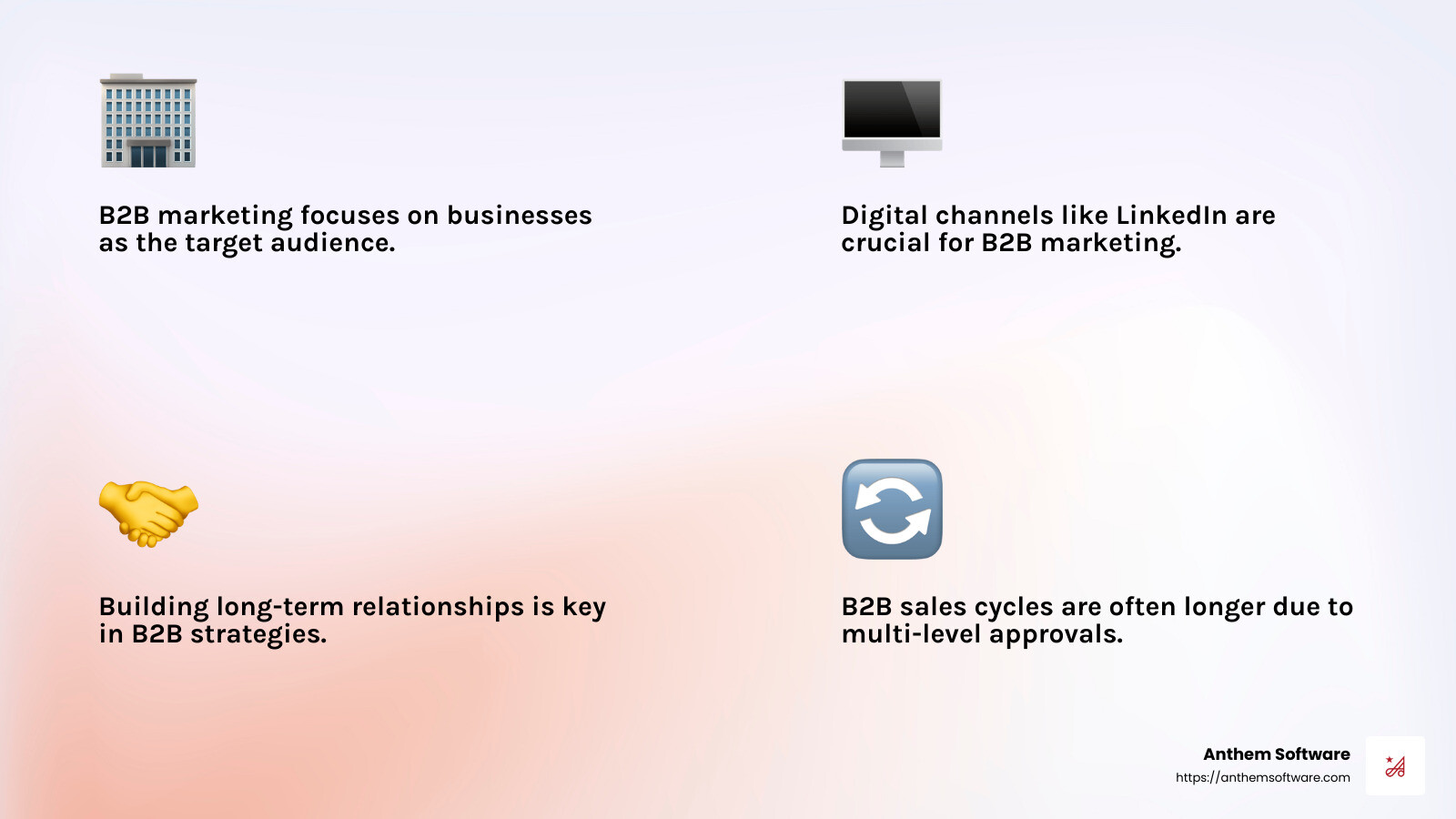
B2B stands for business-to-business. In digital marketing, it refers to strategies and practices aimed at promoting products or services from one business to another. Unlike B2C (business-to-consumer), B2B focuses on reaching decision-makers within companies. The emphasis is on building relationships and providing value through online channels like websites, social media, and email.
How does B2B digital marketing differ from B2C?
The primary difference between B2B and B2C digital marketing lies in the target audience and marketing channels used. B2B marketing targets businesses, requiring a focus on logic, financial incentives, and long-term relationships. In contrast, B2C marketing targets individual consumers, often appealing to emotions and immediate satisfaction.
B2B marketing channels often include LinkedIn, industry forums, and professional email campaigns, while B2C might leverage platforms like Instagram and Facebook for broader consumer reach. Also, B2B sales cycles are typically longer due to the need for approval from multiple decision-makers within a company.
Is a digital marketing agency B2B or B2C?
A digital marketing agency can operate in both B2B and B2C spaces, depending on its services and marketing focus. Some agencies specialize in B2B, helping companies reach other businesses through targeted strategies like SEO, content marketing, and account-based marketing. Others may focus on B2C, designing campaigns that engage directly with consumers.
The distinction lies in the agency’s approach and the clients it serves. A B2B-focused agency will tailor its services to cater to business clients, emphasizing strategies that appeal to a corporate audience. On the other hand, a B2C agency will craft campaigns that resonate with individual consumers.
In the next section, we’ll explore how these strategies can be effectively implemented, providing actionable insights for businesses looking to harness the power of digital marketing.
Conclusion
At Anthem Software, we’re all about helping businesses succeed through digital marketing business to business strategies. Our expertise lies in crafting effective B2B email marketing plans that reach professional stakeholders efficiently. We understand the unique challenges that B2B companies face and tailor our strategies to meet those needs.
Our approach is backed by years of experience and a global clientele. We’ve helped companies like Pompeii3 and Swimspot achieve remarkable growth with our custom SEO strategies. These success stories are a testament to the power of well-executed digital marketing.
Email marketing is at the heart of our services. We believe in a personalized approach that speaks directly to your audience’s needs. By using data insights and powerful segmentation, we ensure that your messages are relevant and impactful. This not only boosts engagement but also nurtures leads and improves customer retention.
Our global reach allows us to serve clients worldwide, providing them with the tools and strategies needed to thrive in today’s competitive digital landscape. We invite you to explore our digital marketing services and see how we can help your business grow.
In conclusion, B2B digital marketing is vast and changing. By partnering with Anthem Software, you can open up new opportunities and drive your business forward. With the right strategies and tools, the possibilities are endless. Let’s connect, engage, and build lasting relationships with your audience together.