

An automated business is more than just a buzzword—it’s a modern approach to generating passive income. It leverages technology to streamline operations and reduce daily involvement, allowing businesses to efficiently scale. This means increased efficiency, reduced costs, and the ability to operate 24/7. Whether you’re considering starting an ecommerce dropshipping venture or creating digital products like ebooks, automation can be a game-changer for your entrepreneurial journey.
- Efficiency: Automate routine tasks and save time.
- Scalability: Handle growth without added complexity.
- 24/7 Operations: Keep your business running around the clock.
My name is Joe Amaral, and with years of experience in sales and digital marketing, I’ve developed a keen understanding of what makes an automated business thrive. Having launched multiple startups, I’m passionate about utilizing technology to drive marketing efficiency and business scalability.

Handy automated business terms:
– ai uses software to automate business processes
– automate business
– business automation software
What is an Automated Business?
An automated business is a modern marvel where technology takes the wheel, driving operations with minimal human effort. Imagine a business that’s like a well-oiled machine, running smoothly day and night, even while you sleep. That’s the power of automation.
Definition
At its core, an automated business uses business process automation (BPA) to handle tasks that traditionally required human intervention. This means using software and technology to perform repetitive tasks, manage customer interactions, and even execute sales processes.
Business Process Automation
Business process automation is all about efficiency. It involves using advanced technology to complete business processes with minimal human input. Think of it as your digital assistant, handling things like customer service queries, inventory management, and marketing campaigns without breaking a sweat.
For example, in the field of HR, BPA can streamline onboarding by automatically sending welcome emails, setting up security credentials, and managing payroll details. This not only saves time but also reduces errors and ensures compliance.
Minimal Human Intervention
The beauty of an automated business lies in its ability to operate independently. By leveraging technology, you can focus on the big picture while the software handles the nitty-gritty. Imagine owning a vending machine business where machines collect money for you. Or running a self-service car wash, where customers do the work, and you reap the rewards.
Software and Technology
Software is the backbone of any automated business. Tools like Shopify offer automation features for ecommerce, streamlining everything from order processing to marketing. Email automation platforms like ConvertKit or ActiveCampaign can handle customer communication, ensuring personalized interactions at scale.
With the right tech stack, your business can run 24/7, capturing opportunities and serving customers around the clock. Whether it’s an online store with automated checkout or an email sequence that sells products, technology makes it possible.

An automated business is about working smarter, not harder. It empowers entrepreneurs to reduce daily involvement, focus on strategic growth, and ultimately, enjoy more freedom.
Benefits of Automated Businesses
Running a business can be demanding, but automation offers a way to alleviate some of that pressure. By automating key processes, businesses can open up several significant advantages:
Increased Efficiency
Automation is all about doing more with less. By using technology to handle routine tasks like data entry, appointment scheduling, and payment processing, you can save both time and energy. For example, an AI-powered customer service chatbot can instantly respond to common inquiries, freeing up your team to tackle more complex issues.
Reduced Costs
One of the most appealing benefits of an automated business is the potential for cost savings. Automated systems can significantly cut down on labor expenses, such as wages and training costs. Additionally, they can reduce the likelihood of costly human errors. For instance, an automated billing system can manage invoicing and payment tracking, minimizing the need for additional accounting staff.
Scalability
Automated businesses are inherently scalable. They can handle growth, high demand, and increased workloads without the need for additional resources. Consider a digital product business: whether you sell one or 10,000 copies, the effort required remains the same. This scalability allows you to expand your business without a proportional increase in costs or complexity.
24/7 Operations
With automation, your business can operate around the clock. This means you can attract customers and make sales at any time, ensuring a continuous flow of passive income. An online store with automated checkout and payment systems, for example, can sell products day and night without the need for human intervention.
Focus on Core Activities
By automating repetitive tasks, you can focus on what truly matters—your core business activities. This might include product development, customer engagement, or crafting marketing strategies. For instance, if you’re an online course creator, automating enrollment and course delivery allows you to dedicate more time to creating new content and expanding your reach.
In summary, automation isn’t just a tool; it’s a transformative strategy that can help businesses operate more efficiently, reduce costs, and scale effectively. By embracing automation, you can focus on what you do best while technology handles the rest.
Next, let’s explore some top automated business ideas that can generate passive income and allow you to capitalize on these benefits.
Top Automated Business Ideas for Passive Income
Automated businesses have become a go-to strategy for generating passive income. Let’s explore some of the top ideas that leverage automation to keep your business running smoothly while you sleep.
Start an Ecommerce Dropshipping Business
Dropshipping is a popular ecommerce model that lets you sell products without holding any inventory. Here’s how it works: You partner with suppliers who handle storage and shipping, while you focus on marketing and sales. Platforms like Shopify make it easy to set up your online store and manage orders seamlessly.
This model is perfect for those who want to dive into ecommerce with minimal upfront costs. By automating logistics and customer support, you can concentrate on driving traffic to your site and converting visitors into customers. A successful dropshipping business can operate 24/7, generating revenue even when you’re not actively managing it.
Create a Print-on-Demand Business
The print-on-demand model allows you to create custom merchandise without the hassle of inventory management. Think T-shirts, mugs, and phone cases with unique designs. When a customer places an order, the item is produced and shipped directly to them.
This approach is ideal for creative entrepreneurs. You can set up an online storefront and let print-on-demand platforms handle production and shipping. With the right marketing strategies, you can attract a global audience and earn passive income from your designs.
Write and Sell Ebooks
Ebooks are digital products that can provide a steady stream of passive income. Choose a niche you’re passionate about, write engaging content, and self-publish on platforms like Amazon or Lulu. Once your ebook is published, it can sell indefinitely with little ongoing effort.
Promotion is key here. Use social media, email marketing, and SEO to reach potential readers. The beauty of ebooks is that they require minimal investment and can be updated easily to keep the content fresh.
Develop and Sell an Online Course
The demand for online courses is booming. If you have expertise in a particular area, consider creating a course. Platforms like Thinkific allow you to host and sell your courses effortlessly. Once the course is live, it can generate income as students enroll.
Focus on creating high-quality content and marketing it effectively. Use automation tools to handle enrollments and customer inquiries, freeing you up to develop more courses and grow your audience.
Promote Products with Affiliate Marketing
Affiliate marketing is a way to earn commissions by promoting other people’s products. Join programs like Amazon Associates or the Shopify Affiliate Program and start sharing affiliate links. When someone makes a purchase through your link, you earn a commission.
To succeed in affiliate marketing, choose products that align with your audience’s interests. Create valuable content that naturally incorporates your affiliate links, such as blog posts, videos, or social media updates. Automation tools can help track clicks and sales, making the process seamless.
Capture and Sell Stock Photos
If you’re a photography enthusiast, consider selling stock photos. Platforms like Shutterstock and Alamy allow photographers to upload their work and earn royalties each time someone downloads an image. Research trends with tools like Google Trends to identify what types of photos are in demand.
Once your photos are uploaded, they can continue to generate income over time. This is a great way to turn your hobby into a source of passive income while reaching a global market.
Design Mobile Apps with In-App Purchases or Ads
Creating mobile apps is another lucrative automated business idea. With the right skills, you can design apps that offer in-app purchases or display ads, generating income as users engage with your app.
If you’re not a developer, consider partnering with someone who is or hiring freelancers. Focus on creating apps that provide value and solve real problems for users. Once the app is live, it can generate revenue with minimal ongoing effort.
These automated business ideas offer diverse opportunities to earn passive income. By leveraging technology and automation, you can build a business that works for you, freeing up time to focus on what truly matters.
How to Start an Automated Business
Starting an automated business might seem daunting, but with the right steps, you can set up a venture that runs smoothly with minimal effort. Here’s a simple guide to get you started:
Initial Setup
Identify Your Niche: Choose a business idea that aligns with your interests and has market demand. This could be anything from a dropshipping store to selling ebooks.
Research and Planning: Once you have a business idea, create a solid business plan. Outline your goals, target market, and strategies. This will serve as your roadmap.
Choose Your Business Structure: Decide whether you’ll operate as a sole proprietorship, LLC, or corporation. Each has its benefits and drawbacks, so choose wisely.
Funding and Registration: Determine your funding sources, whether it’s personal savings, loans, or investors. Register your business and obtain necessary licenses to ensure you’re operating legally.
Automation Tools
Automation is key to reducing manual tasks and focusing on growth. Here are some essential tools:
E-commerce Platforms: For dropshipping or print-on-demand, platforms like Shopify offer automation features for order processing and inventory management.
Email Marketing Services: Tools like ConvertKit or ActiveCampaign can automate email sequences, crucial for affiliate marketing and customer engagement.
Content Management Systems: For selling ebooks or courses, platforms like Thinkific or Amazon KDP provide automated sales and distribution.
SEO and Analytics Tools: Use tools like Ahrefs to automate SEO tasks and track your website’s performance.
Leveraging AI and Software
Artificial Intelligence (AI) can significantly improve your business processes:
Chatbots: Use AI-driven chatbots to handle customer inquiries 24/7, improving customer service without human intervention.
Data Analysis: AI tools can analyze customer data to provide insights and personalize marketing efforts.
Inventory Management: Automated systems can track stock levels and reorder products, ensuring you never run out of popular items.
Minimal Upkeep
The beauty of an automated business is the minimal upkeep required once everything is set up. Here are some tips:
Regular Monitoring: While automation handles daily tasks, regular monitoring is essential to ensure everything runs smoothly. Use analytics to track performance and make necessary adjustments.
Continuous Optimization: Automation doesn’t mean set-and-forget. Continuously optimize your processes and marketing strategies based on data insights.
Customer Feedback: Use automated systems to gather and analyze customer feedback. This helps improve your offerings and maintain customer satisfaction.
By following these steps, you can create an automated business that generates passive income with minimal daily involvement, allowing you to focus on new opportunities and personal growth.
Frequently Asked Questions about Automated Businesses
Now that you know how to start, let’s address some common questions about automated businesses.
Frequently Asked Questions about Automated Businesses
How do I start an automated business?
Starting an automated business involves a few crucial steps that can set you on the path to passive income. Begin with a clear business idea that suits automation, like a dropshipping store or an online course platform. This is your foundation.
Next, research and select the right automation tools to streamline your processes. For eCommerce, platforms like Shopify can automate order processing and inventory management. If you’re venturing into affiliate marketing, email marketing services like ConvertKit can automate your marketing campaigns.
Once your tools are in place, focus on the initial setup. This includes establishing your business structure, securing funding, and registering your business. The goal is to minimize manual tasks so you can focus on growth.
What is a fully automated business?
A fully automated business is one where technology handles most of the tasks, requiring minimal human intervention. This means using software and tools to automate processes like sales, customer service, and inventory management.
Imagine a business where orders are processed automatically, emails are sent without manual input, and customer inquiries are handled by AI chatbots. This level of automation not only increases efficiency but also allows you to scale your operations without adding more staff.
The key to achieving full automation lies in selecting the right technology and integrating it seamlessly into your business processes. By doing so, you can focus on strategic growth rather than day-to-day operations.
Is an automated business profitable?
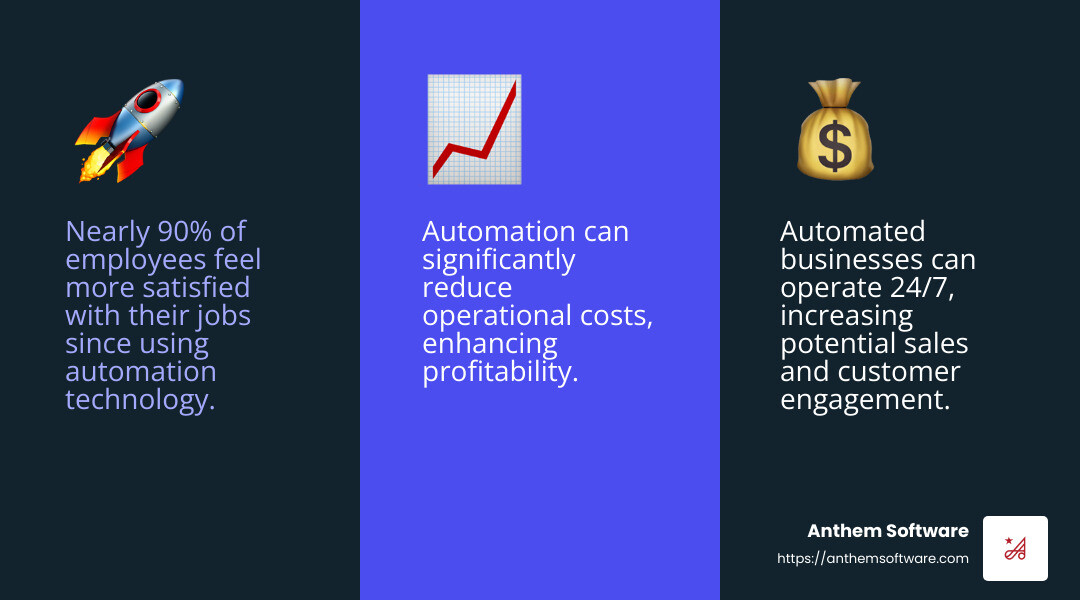
Yes, an automated business can be highly profitable, thanks to its ability to operate efficiently at scale. By reducing manual tasks, you can lower operational costs and focus resources on growth strategies.
Cost management is crucial. Automation tools can be a significant investment initially, but they offer long-term savings by reducing labor costs and increasing productivity. Moreover, automation enables you to run your business 24/7, capturing sales and engaging customers around the clock.
Scalability is another advantage. With automated systems, you can handle more customers and transactions without a proportional increase in costs. This scalability translates into higher profit margins and the potential for significant growth.
To ensure profitability, continuously monitor and optimize your automated processes. Use data analytics to make informed decisions and adjust strategies as needed. This proactive approach will help maintain and improve your business’s profitability.
With these insights, you’re well-equipped to explore the exciting world of automated businesses. Next, let’s dig into the specific steps to get started with your own venture.
Conclusion
Businesses are increasingly turning to automation to streamline operations and drive growth. At Anthem Software, we understand the power of automation, especially in the field of digital marketing and email marketing for B2B small businesses. Our expertise lies in crafting effective email marketing plans that help small businesses efficiently reach their professional stakeholders.
Automation is not just about reducing manual tasks; it’s about open uping new opportunities. With our global clientele, we’ve witnessed how automated solutions can transform businesses, allowing them to focus on what truly matters—building relationships and delivering value to their customers.
Our approach emphasizes the importance of using the right tools and strategies to harness the full potential of automation. Whether it’s through email marketing, B2B outreach, or other digital marketing channels, the goal is to create meaningful connections that drive lasting success.
If you’re ready to explore automated business opportunities, we invite you to learn more about how Anthem Software can support your journey. Find the possibilities with our comprehensive suite of services designed to cater to the unique needs of small businesses. Visit our business equipment leasing page to see how we can help you streamline your operations and achieve your business goals.
Together, let’s accept the future of automation and open up the potential of your business in the competitive digital landscape.